
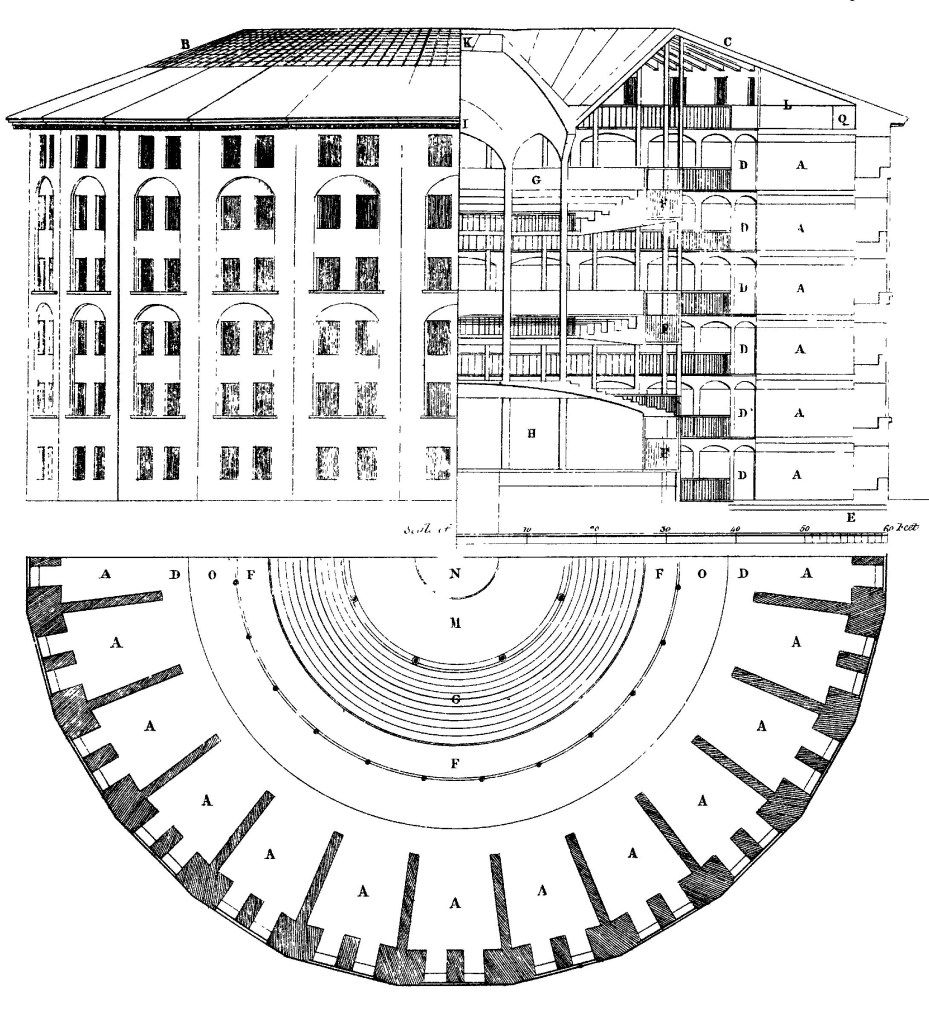
As a result of reforms initiated in the 2010s, the goal of Finnish prisons is to function as a ’learning environment for a life without crime.’ But how does the prison educate?
In this ethnographic study, Liila Holmberg investigates how the educational function of the prison is realized through prisoners’ self-cultivation within the affective, social, and material practices of prison rehabilitation. The context of this research is a recently opened women’s prison which represents a new form of incarceration aligned with the Finnish Prison and Probation Service’s vision. The study is based on the understanding of the prison as an adult education institution, with its core mission being the transformation and development of prisoners toward a crime-free life. The research focuses on the prison’s community rehabilitation unit, where the prisoners’ daily schedule consists of intensive self-work through various communal activities, making the (self-)educational nature of imprisonment particularly evident.
In this study, Holmberg asks: What kind of self-cultivation process is involved in a prison sentence served in the community rehabilitation unit, and how do affectivity, sociality, and materiality intertwine in prison rehabilitation?
Related publications:
Holmberg, L., & Niemi, A.-M. (2024). ”Röökilläkin kaikki ensin itkee ja sit alkaa naurattaa kun kaikki vaan parkuu!” : Itsen työstämisen affektiiviset käytännöt naisvankilan yhteisökuntoutusosastolla . Aikuiskasvatus, 44(3), 182–195. https://doi.org/10.33336/aik.143824
Holmberg, L. (2022). Learning to be (crime-)free: Subjectification within a Finnish prison rehabilitation wing for women. Nordisk Tidsskrift for Kriminalvidenskab 109(1), 215–220. https://tidsskrift.dk/NTfK/article/view/130308
Holmberg, L. & Saari, A. (2021). Itsehallinta vankiloiden kuntouttavassa ohjelmatyössä. In Brunila, K., Harni, E., Saari, A. & Ylöstalo, H. (eds.) Terapeuttinen valta: Onnellisuuden ja hyvinvoinnin jännitteitä 2000-luvun Suomessa. Tampere: Vastapaino, 171–191.
 POISED
